
Key Takeaways
- Scenic World attracts over 1 million visitors annually with its three iconic rides including Australia’s steepest railway at a 52° incline
- Over 140 kilometres of walking tracks range from easy 1km strolls to challenging 7km cliff walks through World Heritage wilderness
- Three Sisters rock formation stands 922 metres above sea level and remains the most photographed landmark in the Blue Mountains
- Blue Mountains National Park covers 267,954 hectares of UNESCO World Heritage-listed wilderness just 90 minutes from Sydney
- Average temperature ranges from 5-16°C in winter and 14-26°C in summer, making Katoomba a year-round destination
Iconic Natural Attractions You Can't Miss
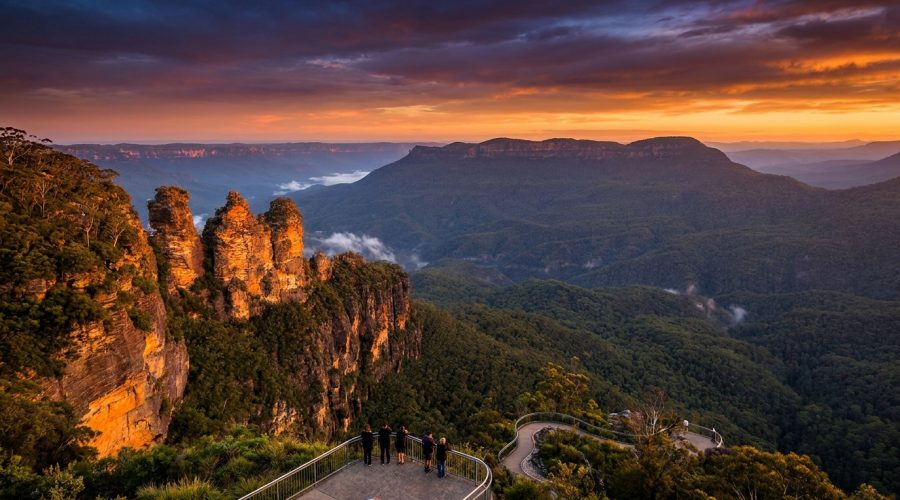
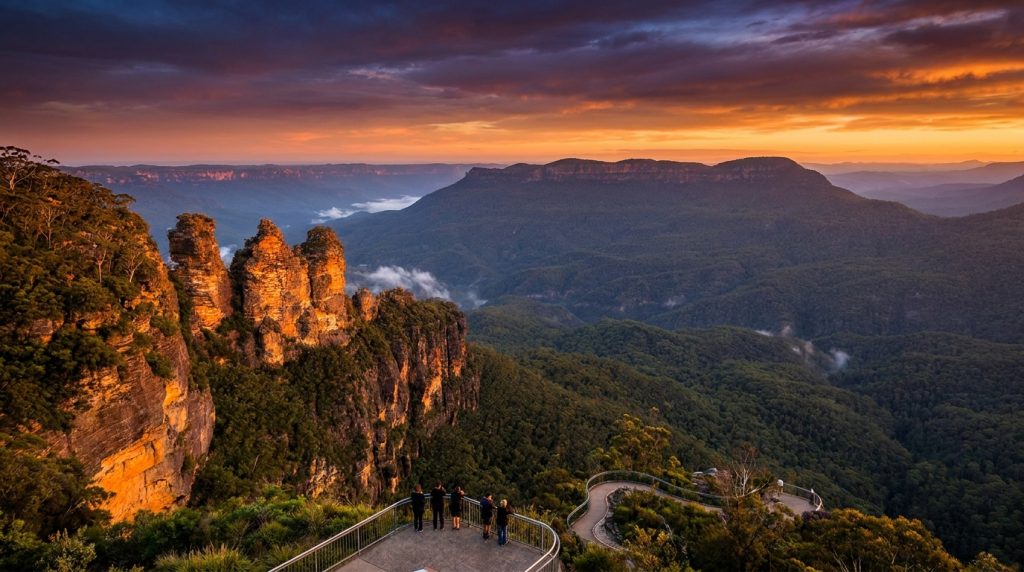
The Three Sisters rock formation dominates Katoomba’s landscape as the region’s most celebrated natural wonder, drawing over 2.5 million visitors to Echo Point annually. This ancient sandstone formation, standing 922 metres above sea level, carries deep cultural significance through Aboriginal Dreamtime stories of three sisters transformed to stone by their father to protect them from unwanted suitors.
Echo Point Lookout provides the premier vantage point, featuring an elevated observation deck with interpretive displays explaining both the geological formation and cultural heritage. The boardwalk extends to multiple viewing platforms, offering photographers ideal angles throughout different times of day. Early morning visits between 7-9am provide the softest light and fewer crowds for optimal photography.
Katoomba Falls presents another spectacular natural attraction, where water cascades 300 metres into the Jamison Valley below. The falls are particularly impressive after rainfall, when increased water flow creates a thunderous display visible from multiple vantage points along the Prince Henry Cliff Walk.
Pro tip: Visit Echo Point during the golden hour just before sunset when the Three Sisters are bathed in warm light, creating the most spectacular photo opportunities. Park at the designated car park early, as spaces fill quickly during peak tourist seasons.
The Jamison Valley stretches below these cliff-top attractions, offering a verdant carpet of ancient rainforest canopy punctuated by dramatic rock formations and seasonal waterfalls. This valley represents one of the most pristine examples of temperate rainforest in New South Wales, supporting over 1,500 plant species and numerous native wildlife populations.
What Are the Best Adventure Activities at Scenic World?
Scenic World operates as Australia’s most visited tourist attraction, welcoming over 1 million guests annually to experience its unique combination of heritage railway, modern cableways, and pristine rainforest access. The attraction’s three interconnected rides provide different perspectives of the Jamison Valley’s dramatic landscape.
The Scenic Railway remains the star attraction, originally built in the 1880s to transport miners into the valley. Today’s passenger carriages descend at a heart-stopping 52° incline – the world’s steepest passenger railway – carrying visitors 310 metres down through cliff faces into the valley floor. The 1.7-kilometre journey includes a tunnel section carved through solid rock.
Scenic Skyway offers a completely different thrill as visitors glide 270 metres above the valley floor in a cable car featuring a glass bottom panel. The 720-metre journey spans Katoomba Falls, providing aerial views impossible to achieve from ground level. The ride includes an optional glass floor section that can be activated for those seeking extra excitement.
The Scenic Cableway, marketed as Australia’s largest cable car, provides the gentlest ascent back to the clifftop. This 545-metre journey rises 200 vertical metres while offering 360-degree views of the valley, Three Sisters, and distant mountain ridges.
The Scenic Walkway completes the experience with 2.4 kilometres of elevated boardwalk winding through ancient Jurassic rainforest. This wheelchair-accessible path includes interpretive signage explaining the unique ecosystem, where 180-million-year-old plant species thrive in the valley’s protected microclimate.
Scenic World’s 1-Day Unlimited Discovery Pass costs from $40 per person, with children under 3 riding free. The pass allows unlimited rides throughout operating hours with same-day re-entry privileges, making it excellent value for thorough exploration.
| Ride | Distance | Height/Incline | Journey Time | Best For |
|---|---|---|---|---|
| Scenic Railway | 1.7km | 52° incline | 5 minutes | Thrill seekers |
| Scenic Skyway | 720m | 270m above valley | 8 minutes | Panoramic views |
| Scenic Cableway | 545m | 200m vertical rise | 6 minutes | Gentle ascent |
Where Can You Find the Best Hiking Trails?
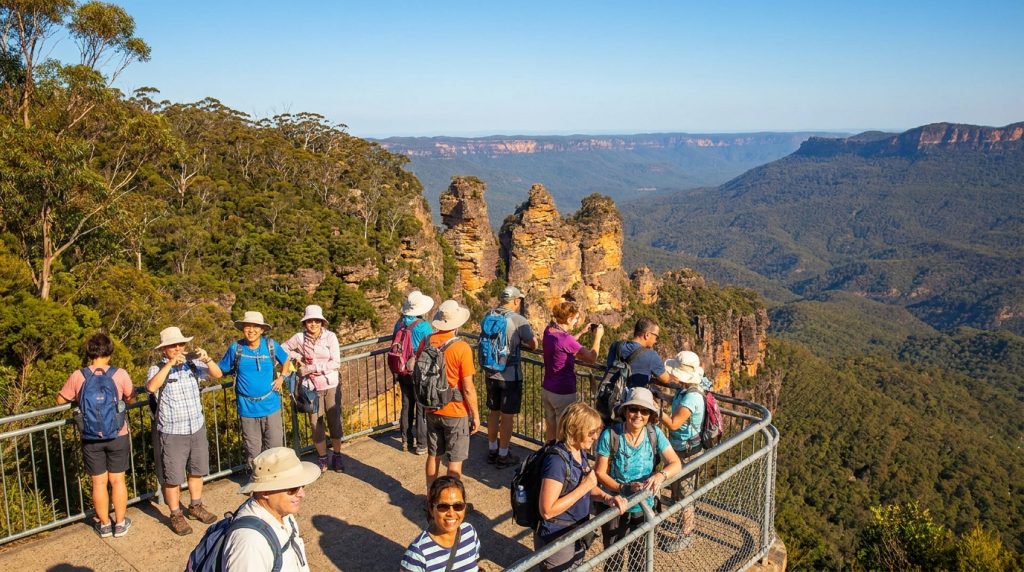
Blue Mountains National Park encompasses over 267,000 hectares of World Heritage wilderness, with Katoomba serving as the gateway to some of Australia’s most spectacular bushwalking experiences. The trail network includes over 140 kilometres of marked tracks ranging from wheelchair-accessible boardwalks to challenging multi-day wilderness routes.
The Three Sisters Walk provides the most accessible introduction to Blue Mountains hiking, featuring a 1-kilometre return journey on paved pathways suitable for all fitness levels. This easy grade walk leads from Echo Point to the first of the Three Sisters pinnacles, offering close-up views of the rock formation and interpretive displays explaining the area’s geological history.
For moderate hikers, the Prince Henry Cliff Walk represents one of Australia’s premier cliff-top experiences. This 7-kilometre one-way trail follows the escarpment edge from Katoomba to Leura, passing multiple waterfalls, lookouts, and historic sites. Key highlights include Katoomba Falls, Leura Falls, and the Bridal Veil Falls, with numerous shorter access points allowing partial completion.
Furber Steps Loop challenges visitors with a 2.4-kilometre moderate circuit descending into the valley via carved stone steps, originally constructed in the 1900s. This trail connects with the Federal Pass, creating opportunities for extended valley floor exploration among ancient tree ferns and pristine creek systems.
Pro tip: Download the Blue Mountains Walks app before heading out, as mobile reception can be patchy on remote trails. The app includes offline maps, emergency contact information, and real-time weather updates specific to different trail locations.
The Katoomba Falls Round Walk offers a 2-kilometre loop combining cliff-top views with valley descent, typically completed in 60-90 minutes. This moderate-grade trail provides multiple vantage points of the falls while passing through diverse vegetation zones from heath-covered plateau to temperate rainforest.
Advanced hikers should consider the Six Foot Track, a historic 45-kilometre trail connecting Katoomba to Jenolan Caves. Originally carved in the 1880s as a horse track, this multi-day hiking experience traverses pristine wilderness areas rarely accessed by casual visitors.
Cultural Attractions and Heritage Experiences
Blue Mountains Cultural Centre anchors Katoomba’s cultural landscape in a purpose-built facility showcasing the region’s UNESCO World Heritage status through interactive exhibitions and educational displays. Located in central Katoomba, the centre houses rotating exhibitions featuring local and national Australian artists, alongside permanent displays explaining the area’s unique ecology and Aboriginal cultural heritage.
The centre’s World Heritage exhibition details why the Blue Mountains earned international recognition, highlighting the area’s role as a refugium for ancient plant species and its significance as one of the world’s most diverse temperate ecosystems. Interactive displays allow visitors to explore the region’s 1,500 plant species and understand conservation challenges facing this unique environment.
Aboriginal cultural tours provide authentic insights into the traditional ownership and ongoing connection of Gundungurra and Darug peoples to this country. Qualified Aboriginal guides share Dreamtime stories associated with the Three Sisters and other significant sites, while demonstrating traditional skills like fire-starting, tool-making, and bush tucker identification.
The Katoomba Historic Railway Station represents one of Australia’s finest examples of Federation-era railway architecture, completed in 1907 during the Blue Mountains’ development as a premier tourist destination. The station’s distinctive red-brick construction and decorative features reflect the optimism of early 20th-century mountain tourism development.
Norman Lindsay Gallery in nearby Faulconbridge celebrates one of Australia’s most controversial and celebrated artists. Lindsay’s former home and studio showcase his paintings, etchings, and sculptures, alongside recreated studio spaces providing insight into his creative process. The surrounding sculpture garden features many of Lindsay’s most famous outdoor works set among established European-style gardens.
What Are the Best Local Dining and Shopping Options?
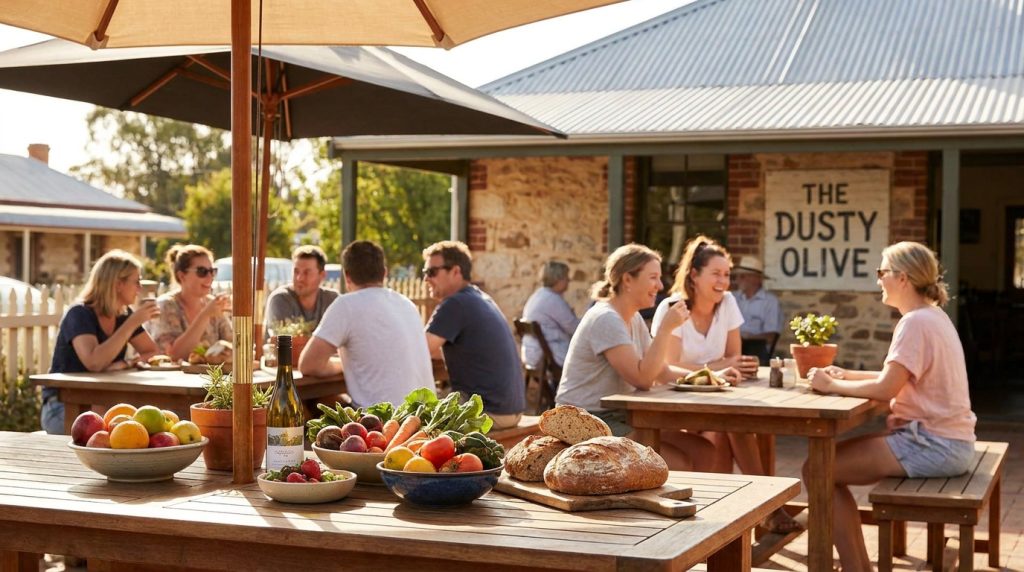
Katoomba’s dining scene reflects over 150 years of mountain hospitality, evolving from colonial coaching inns to contemporary Australian cuisine featuring locally sourced ingredients and international influences. The town’s main strip along Katoomba Street offers diverse options from casual cafes to fine dining establishments.
The Carrington Hotel anchors the dining scene as Katoomba’s grandest heritage accommodation, operating since 1882. The hotel’s Carrington Bar serves contemporary Australian cuisine in elegant Victorian surroundings, while the casual Alexandra’s Lounge offers lighter fare and mountain views. The venue’s Sunday jazz sessions have become a local institution, attracting musicians and visitors for over two decades.
Avalon City provides authentic Lebanese cuisine in generous portions, earning recognition as one of the Blue Mountains’ most popular family restaurants. Their mixed mezze plates showcase traditional Middle Eastern flavours adapted to local tastes, while the venue’s BYO license keeps dining costs reasonable for families and groups.
For specialty coffee, Sublime Point Lookout Cafe combines exceptional mountain-grown coffee with spectacular valley views. Located at the clifftop lookout, this venue sources beans from local Blue Mountains roasters and serves breakfast and lunch alongside their renowned coffee program.
Katoomba Street hosts the region’s primary shopping precinct, featuring a mix of souvenir stores, outdoor gear retailers, and local artisan galleries. Josophan’s Fine Chocolate creates handmade chocolates using Belgian techniques with Australian native ingredients, while Blue Mountains Cultural Centre Shop stocks authentic Aboriginal artwork and locally made crafts.
Pro tip: Book dinner reservations well in advance during peak season (December-February and Easter holidays), as Katoomba’s best restaurants fill quickly with both overnight visitors and day-trippers from Sydney. Many venues offer early bird specials for bookings before 6pm.
The weekly Katoomba Farmer’s Market operates Saturday mornings in the civic centre, featuring local producers selling organic vegetables, artisan breads, and specialty preserves. This market provides opportunities to meet local growers and sample unique Blue Mountains products like native honey and heritage apple varieties.
Planning Your Stay and Getting Around
Blue Mountains transport operates year-round services connecting Katoomba to Sydney via the efficient CityRail network, with express trains completing the 109-kilometre journey in 90 minutes. Regular services depart Sydney Central Station every 30-60 minutes throughout the day, making Katoomba accessible for both day trips and extended stays.
The Blue Mountains Explorer Bus provides hop-on, hop-off services connecting major attractions around Katoomba, Leura, and Wentworth Falls. Adult day passes cost $45 and include discounted entry to Scenic World, making this an economical option for car-free exploration. The service operates every 30 minutes during peak periods.
For accommodation, consider booking your stay at StayKCC for convenient access to Katoomba’s attractions while enjoying comfortable, locally-operated accommodation that supports the community’s tourism economy.
Weather considerations significantly impact Blue Mountains experiences, with temperatures averaging 5-16°C in winter and 14-26°C in summer. Winter months (June-August) can experience frost and occasional snow, while summer brings bushfire risk during extreme heat periods. Spring (September-November) offers ideal hiking conditions with mild temperatures and wildflower displays.
Parking in central Katoomba becomes challenging during peak visitation periods, particularly weekends and school holidays. Echo Point provides 200 designated spaces, but these fill by 10am during busy periods. Alternative parking exists at Scenic World with shuttle services to main attractions, or consider arriving via public transport to avoid parking stress entirely.
Essential gear for Blue Mountains exploration includes sturdy walking shoes with good grip, as sandstone surfaces become slippery when wet. Weather can change rapidly due to elevation, so pack layers including rain protection even during apparently clear conditions. Carry sufficient water, as natural water sources may be contaminated and shops are limited along hiking trails.
Best Times to Visit and Seasonal Highlights
Autumn (March-May) consistently ranks as the optimal time for Katoomba visits, offering mild temperatures averaging 18-24°C, reduced rainfall, and spectacular foliage displays as introduced deciduous trees change colour. This period provides ideal hiking conditions with comfortable temperatures and generally clear skies for photography.
Winter months (June-August) transform Katoomba into a cozy mountain retreat, with average temperatures ranging from 5-16°C. While some outdoor activities become more challenging, winter offers unique advantages including crystal-clear air for photography, occasional frost creating magical landscapes, and cozy indoor dining experiences. The region’s fireplaces and mountain hospitality shine during these cooler months.
Spring (September-November) brings wildflower displays throughout Blue Mountains National Park, with over 70 native wildflower species blooming across different elevation zones. This season offers moderate temperatures and longer daylight hours ideal for extended hiking adventures. Spring also marks the beginning of the tourist season, so accommodation prices begin rising from winter lows.
Summer (December-February) presents both opportunities and challenges for Katoomba visitors. While temperatures remain moderate due to elevation, reaching 14-26°C, this period coincides with peak tourist season, school holidays, and occasional extreme heat events. Summer thunderstorms can create spectacular waterfalls but may restrict hiking access on certain trails.
The annual Blue Mountains Music Festival in March celebrates the region’s cultural diversity with performances spanning folk, blues, and contemporary genres across multiple venues. This event draws music enthusiasts from across Australia and provides authentic local cultural experiences beyond the natural attractions.
Yulefest celebrations during July and August embrace European-style winter festivities with open fires, hearty cuisine, and cozy mountain atmosphere. Many local restaurants and accommodation providers offer special winter packages, creating a unique Australian interpretation of northern hemisphere winter traditions.
Frequently Asked Questions
How long should I spend in Katoomba to see the main attractions?
A minimum of two full days allows adequate time to experience Katoomba’s primary attractions including Scenic World, Three Sisters, and several walking trails. Day one can focus on Scenic World and Echo Point, while day two allows for hiking the Prince Henry Cliff Walk and exploring the Cultural Centre. Extended stays of 3-4 days enable deeper exploration of Blue Mountains National Park’s remote trails and cultural experiences.
Is Katoomba suitable for visitors with mobility limitations?
Yes, many of Katoomba’s premier attractions offer accessible experiences. Echo Point features wheelchair-accessible viewing platforms and boardwalks, while Scenic World’s Walkway provides 2.4 kilometres of elevated boardwalk suitable for wheelchairs and mobility scooters. The Blue Mountains Cultural Centre meets full accessibility standards, and several local restaurants accommodate mobility-impaired visitors with ramped entries and accessible facilities.
What's the best way to get from Sydney to Katoomba without a car?
CityRail’s Blue Mountains Line provides direct train services from Sydney Central Station to Katoomba Station with express services completing the journey in 90 minutes. Trains depart every 30-60 minutes throughout the day, with adult fares costing approximately $8-12 depending on time and ticket type. From Katoomba Station, the Blue Mountains Explorer Bus connects to major attractions, or many sites are within walking distance of the town centre.
Are there any free activities in Katoomba?
Numerous free experiences showcase Katoomba’s natural beauty. Walking to Echo Point and viewing the Three Sisters costs nothing, while the Prince Henry Cliff Walk provides 7 kilometres of spectacular cliff-top hiking without entry fees. Blue Mountains National Park’s numerous walking trails remain free to access, and the town’s main street offers free browsing of local shops and galleries. Self-guided heritage walks using available brochures provide cultural insights at no cost.
When is bushfire season and how does it affect visiting Katoomba?
Bushfire season typically runs from October to March, with peak risk during December and January when temperatures exceed 35°C and humidity drops below 20%. During high fire danger days, some walking trails may close and the Rural Fire Service issues warnings through official channels. Visitors should check the Fires Near Me NSW app before hiking and follow all trail closures. Most major attractions including Scenic World continue operating unless directly threatened, with comprehensive evacuation procedures in place.